TxDot Calls for Safer Driving as Work Zone Traffic Deaths Rise During Pandemic
Texas Department of Transportation • April 28, 2021

Even with less traffic during the pandemic, Texas work zone fatalities increased 9% in 2020 compared to 2019. That’s why TxDOT
is calling on drivers to make safety their number one priority at all times and especially when passing through active construction and maintenance work zones on the roadway.
TxDOT’s “Be Safe. Drive Smart.” campaign is marking National Work Zone Awareness Week, April 26–30,
with safety tips to reduce work zone fatalities. Last year, there were more than 22,000 traffic crashes in
Texas work zones with 186 people killed, including four road workers.
“We know driving through work zones can be challenging,” said TxDOT Executive Director James Bass.
“There can be extra congestion, slow-moving heavy equipment, temporary barriers, and vehicles that make
sudden stops. We can’t stress enough how important it is to give driving your full attention and slow down—
for your own safety and that of the people who work alongside the road.”
Drivers and their passengers account for the majority of those who have died in work zone crashes. In 2020, 147 motorists and vehicle passengers were killed in Texas work zones, along with 35 pedestrians and bicyclists and four road workers.
The Texas Mutual Insurance Company, which helps employers prevent workplace incidents and their consequences, is partnering with TxDOT to promote safe driving. The “Be Safe. Drive Smart.” campaign outlines five key steps drivers can take to safely navigate a work zone:
- Slow down. Follow the posted speed limit and drive to conditions. Unsafe speed is one of the main causes of crashes in work zones.
- Pay attention. Avoid distractions, keep your mind on the road and put your phone away.
- Watch out for road crews. The only protective gear they wear is a vest, a hardhat and safety boots.
- Remember, they want to get home safe, too.
- Don’t tailgate. Give yourself room to stop in a hurry if you need to. Rear-end collisions are the most common kind of work zone crashes.
- Allow extra time. Road construction can slow things down. Count on it, and plan for it.
Traffic fines double in work zones when workers are present and can cost up to $2,000. Failure to heed the Move Over/Slow Down law can also result in a $2,000 fine. State law requires drivers to move over a lane or reduce their speed to 20 mph below the posted speed limit when approaching a TxDOT vehicle, emergency vehicle, law enforcement, tow truck or utility vehicle stopped with flashing lights activated on the roadside.
“Be Safe. Drive Smart.” is a key component of #EndTheStreakTX, a broader social media and word-of mouth effort that encourages drivers to make safer choices while behind the wheel such as wearing a seat belt, driving the speed limit, never texting and driving and never driving under the influence of alcohol or other drugs. Nov. 7, 2000 was the last deathless day on Texas roadways. #EndTheStreakTX asks all Texans to commit to driving safely to help end the streak of daily deaths.
ETCOG is hosting NIMS ICS 300 and ICS 400 training in August at our Kilgore office. These courses are now required under Texas House Bill 33. Please register as soon as possible. The class must have at least 26 participants, or it may be canceled. Please also forward this opportunity to anyone who may need or be interested in attending. Training Details Course: MGT904 / ICS-300 Dates: August 24–26, 2026 Start Time: August 24 at 8:00 a.m. CST Location: ETCOG 3800 Stone Road Kilgore, Texas 75662 Registration Link: https://my.teex.org/TeexPortal/Default.aspx?MO=mCourseCatalog&D=FP&C=MGT904&S=941 Course: MGT905 / ICS-400 Dates: August 26–27, 2026 Start Time: August 26 at 1:00 p.m. CST Location: ETCOG 3800 Stone Road Kilgore, Texas 75662 Registration Link: https://my.teex.org/TeexPortal/Default.aspx?MO=mCourseCatalog&D=FP&C=MGT905&S=732 Cost All online classes, including the ICS 300/400 classes hosted at ETCOG, are free. Prerequisites Please read this section carefully before registering. The following four prerequisite courses are required: ICS 100 ICS 200 ICS 700 ICS 800 FEMA online training link for prerequisites: Emergency Management Institute - National Incident Management System (NIMS) https://training.fema.gov/nims/ Please bring copies of your prerequisite certificates with you to class, if possible. A screenshot of your certificates is also acceptable. What to Bring Please bring the following items to training: Copies or screenshots of your ICS 100, ICS 200, ICS 700, and ICS 800 certificates A tablet or laptop The participant manual downloaded to your device The participant manual will be available after you complete registration. Registration Assistance If you have trouble registering, please send a screenshot of the issue so we can help troubleshoot. Thank you, and please register as soon as possible to help ensure the class meets the minimum attendance requirement.

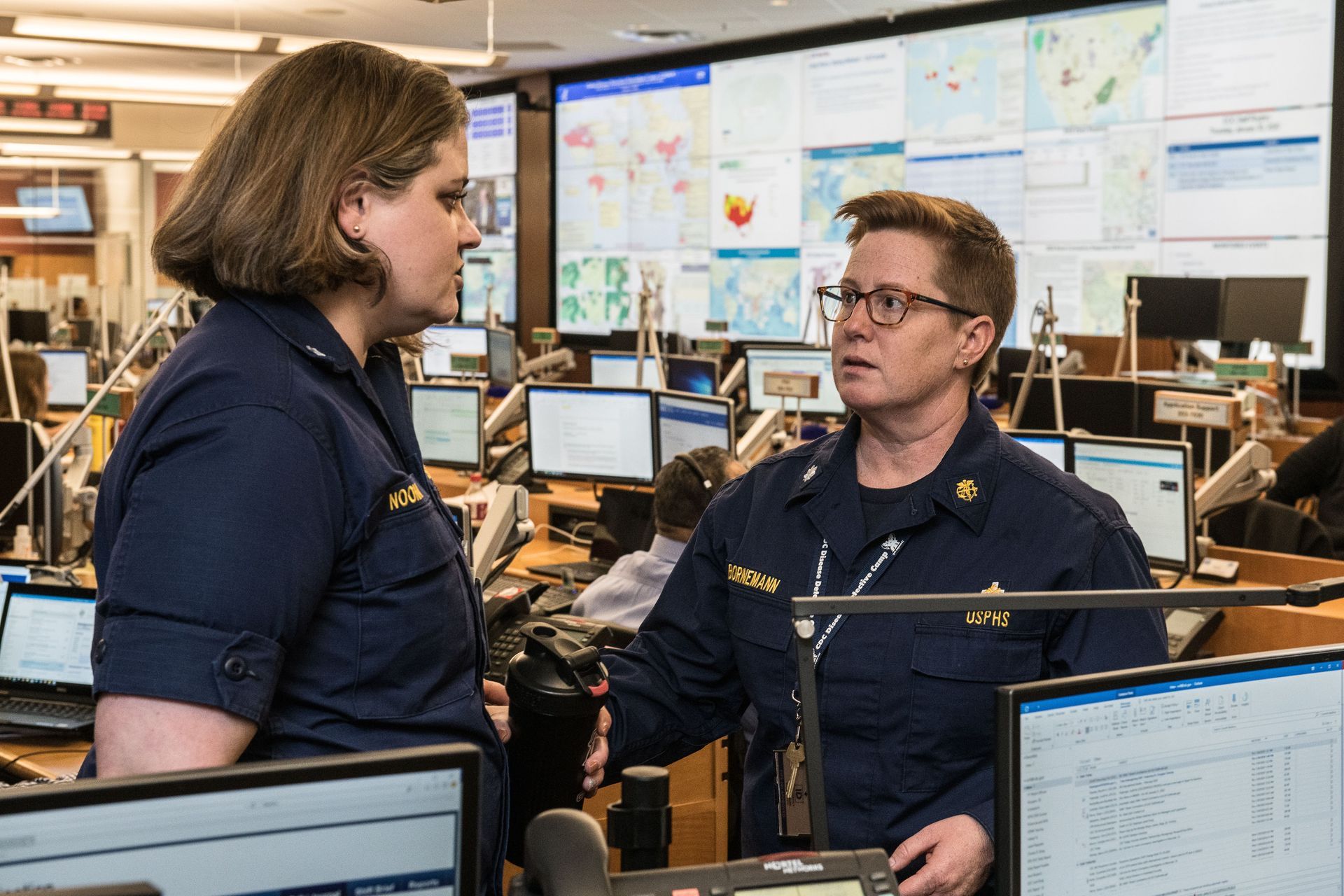
National Public Safety Telecommunicators Week, observed April 12–18, 2026 , honors the dedication, service, and sacrifice of the public safety telecommunicators who answer the call when emergencies happen. Held each year during the second week of April, the observance recognizes the professionals who serve as the critical first point of contact in emergency situations. At ETCOG, we are proud to recognize the telecommunicators who serve communities across our region. Their work requires professionalism, compassion, quick thinking, and a steadfast commitment to public safety. In moments of crisis, they provide calm, skilled support and help connect people to the emergency services they need. In 2025 , telecommunicators in ETCOG’s service area answered more than 174,000 9-1-1 calls and more than 20,000 9-1-1 texts . Behind each of those numbers is a person in need of help and a trained telecommunicator ready to respond. ETCOG supports the region’s dispatch offices through training, equipment upgrades, and management of the regional 9-1-1 system. These efforts help ensure telecommunicators have the tools, technology, and resources needed to serve the public effectively and efficiently. During National Public Safety Telecommunicators Week, we extend our sincere appreciation to the men and women who help keep our communities safe every day. Their work is essential, and their service makes a meaningful difference throughout East Texas.