COVID-19 Vaccine Information from the Texas Department of State Health Services
Texas Department of State Health Services • January 20, 2021

What’s Next with the COVID‑19 Vaccine in Texas
“All providers that have received COVID-19 vaccine must immediately vaccinate healthcare workers, Texans over the age of 65, and people with medical conditions that put them at a greater risk of severe disease or death from COVID-19. No vaccine should be kept in reserve.”
– DSHS Commissioner John Hellerstedt, M.D.
Texas continues to receive doses of the Pfizer and Moderna COVID-19 vaccines, and is distributing statewide to hospitals, pharmacies, local health departments, freestanding ERs and other clinics.
Who can get the vaccine now?
Front-line healthcare workers and residents at long-term care facilities (called Phase 1A) plus people over 65 or with a chronic medical condition that puts them at increased risk for severe illness from COVID‑19 (called Phase 1B) are currently eligible to receive the COVID‑19 vaccine.
Phase 1B recipients include:
- People 65 years of age and older
- People 16 years of age and older with at least one chronic medical condition that puts them at increased risk for severe illness from the virus that causes COVID-19, such as but not limited to:
- Cancer
- Chronic kidney disease
- COPD (chronic obstructive pulmonary disease)
- Down Syndrome
- Heart conditions, such as heart failure, coronary artery disease or cardiomyopathies
- Solid organ transplantation
- Obesity and severe obesity (body mass index of 30 kg/m2 or higher)
- Pregnancy
- Sickle cell disease
- Type 2 diabetes mellitus
If I’m eligible for vaccine now, how do I get one?
If you are in Phase 1A or 1B, you have two options to get the vaccine: you can get vaccinated at a large vaccine hub or a local vaccine provider.
Beginning in January, Texas established large vaccination sites or hubs around the state. The goal of these hubs is to provide more people the vaccine and a simpler way to sign up for an appointment.
Please check the COVID‑19 Vaccination Hub Providers page
to find a hub near you and learn how to register. Remember, vaccine supply is still limited in Texas, even though more arrives each week.
Please note:
- Do not show up at a vaccine hub without first signing up or checking the provider’s instructions for scheduling.
- Hub providers may already have long waiting lists or may be no longer accepting appointments for the week.
- Each hub’s registration process is different, so look carefully at the hub’s registration site for details.
- Depending on the provider, you may be placed on a waiting list and/or may be contacted (phone, email, or text) when vaccines become available.
Another option is to check with a vaccine provider near you. Local vaccine providers, like pharmacies, may have vaccine available. Use the Texas COVID‑19 Vaccine Availability map
to find a provider near you with vaccine available. Check the provider’s website for how to best sign up for a vaccine.
Remember:
- Do not show up at a hospital or clinic looking for vaccine.
- Instead please check their website for information about vaccine availability and/or a wait list.
- Call only if the website doesn’t answer your questions.
Thank you for your patience as Texas receives more vaccine every week.
After Phase 1, who gets the vaccine next and when?
Spring 2021 is the best estimate of when vaccine will be available for the general public, but that may change. It depends on vaccine production and how quickly other vaccines become available. The Expert Vaccine Allocation Panel (EVAP) is considering what criteria could be used for later stages of vaccine distribution.
For more information, visit the Texas Department of State Health Services website.
ETCOG is hosting NIMS ICS 300 and ICS 400 training in August at our Kilgore office. These courses are now required under Texas House Bill 33. Please register as soon as possible. The class must have at least 26 participants, or it may be canceled. Please also forward this opportunity to anyone who may need or be interested in attending. Training Details Course: MGT904 / ICS-300 Dates: August 24–26, 2026 Start Time: August 24 at 8:00 a.m. CST Location: ETCOG 3800 Stone Road Kilgore, Texas 75662 Registration Link: https://my.teex.org/TeexPortal/Default.aspx?MO=mCourseCatalog&D=FP&C=MGT904&S=941 Course: MGT905 / ICS-400 Dates: August 26–27, 2026 Start Time: August 26 at 1:00 p.m. CST Location: ETCOG 3800 Stone Road Kilgore, Texas 75662 Registration Link: https://my.teex.org/TeexPortal/Default.aspx?MO=mCourseCatalog&D=FP&C=MGT905&S=732 Cost All online classes, including the ICS 300/400 classes hosted at ETCOG, are free. Prerequisites Please read this section carefully before registering. The following four prerequisite courses are required: ICS 100 ICS 200 ICS 700 ICS 800 FEMA online training link for prerequisites: Emergency Management Institute - National Incident Management System (NIMS) https://training.fema.gov/nims/ Please bring copies of your prerequisite certificates with you to class, if possible. A screenshot of your certificates is also acceptable. What to Bring Please bring the following items to training: Copies or screenshots of your ICS 100, ICS 200, ICS 700, and ICS 800 certificates A tablet or laptop The participant manual downloaded to your device The participant manual will be available after you complete registration. Registration Assistance If you have trouble registering, please send a screenshot of the issue so we can help troubleshoot. Thank you, and please register as soon as possible to help ensure the class meets the minimum attendance requirement.

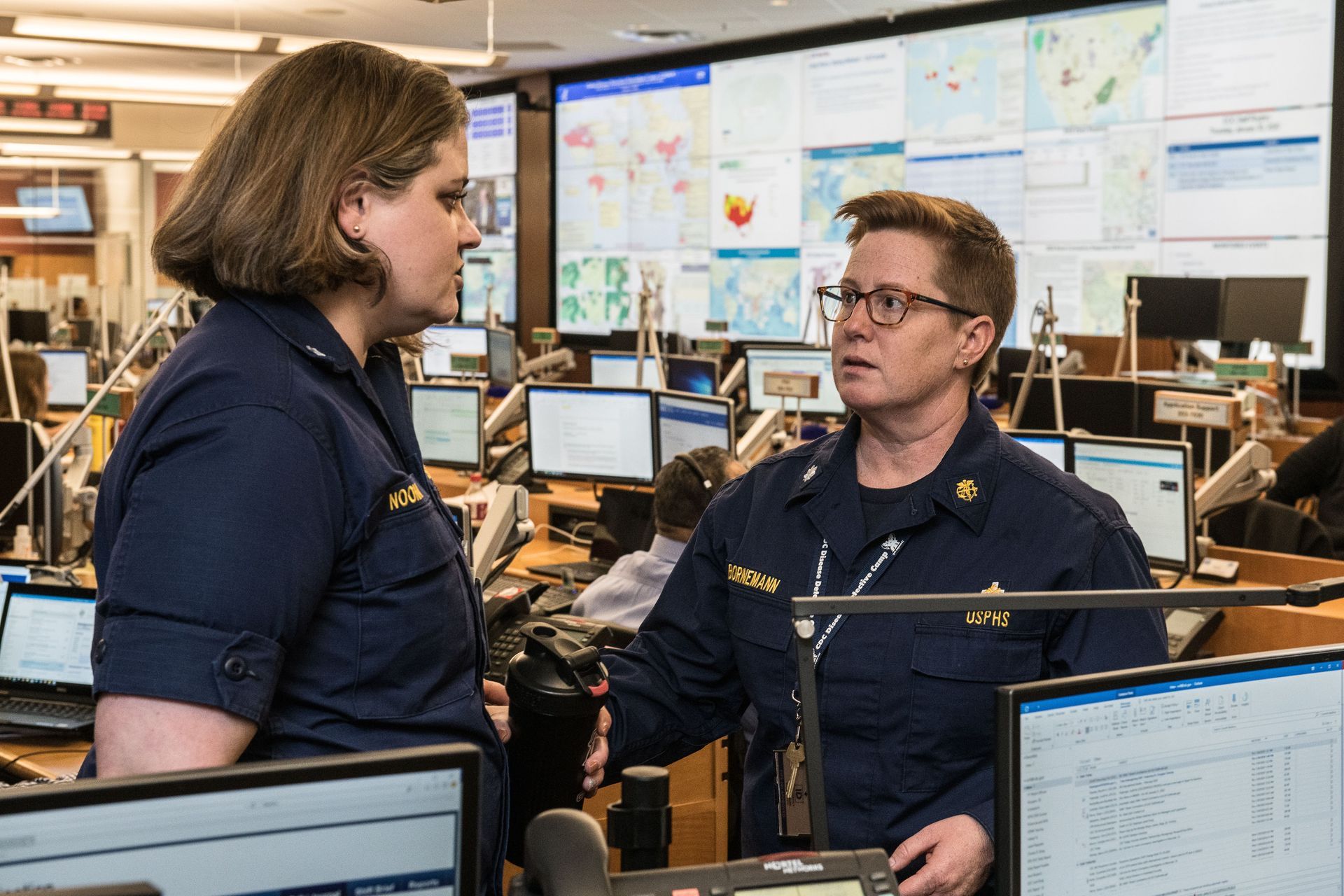
National Public Safety Telecommunicators Week, observed April 12–18, 2026 , honors the dedication, service, and sacrifice of the public safety telecommunicators who answer the call when emergencies happen. Held each year during the second week of April, the observance recognizes the professionals who serve as the critical first point of contact in emergency situations. At ETCOG, we are proud to recognize the telecommunicators who serve communities across our region. Their work requires professionalism, compassion, quick thinking, and a steadfast commitment to public safety. In moments of crisis, they provide calm, skilled support and help connect people to the emergency services they need. In 2025 , telecommunicators in ETCOG’s service area answered more than 174,000 9-1-1 calls and more than 20,000 9-1-1 texts . Behind each of those numbers is a person in need of help and a trained telecommunicator ready to respond. ETCOG supports the region’s dispatch offices through training, equipment upgrades, and management of the regional 9-1-1 system. These efforts help ensure telecommunicators have the tools, technology, and resources needed to serve the public effectively and efficiently. During National Public Safety Telecommunicators Week, we extend our sincere appreciation to the men and women who help keep our communities safe every day. Their work is essential, and their service makes a meaningful difference throughout East Texas.